
Special topics
Russia–Ukraine War
Continuous, evidence-bounded coverage of battlefield changes, diplomacy, sanctions, military aid, civilian harm and the war’s effects on energy, food and European security.
Permanent watch · continuously refreshed from first-party and independent sources. 13 VictoriaPark stories collected. · Briefed by VictoriaPark Geopolitics Watch
Latest coverage
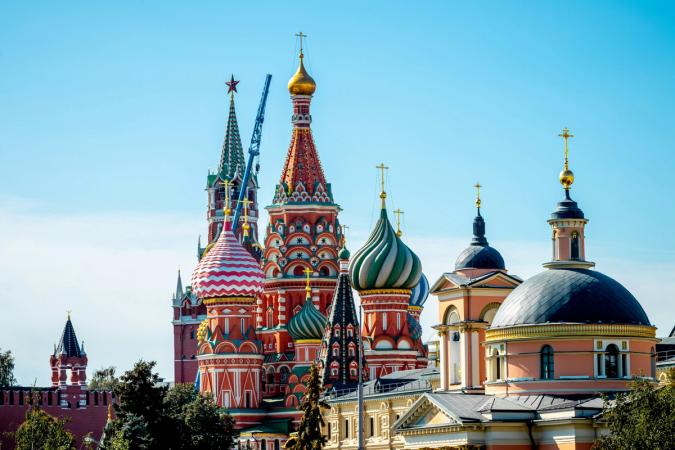
UK slaps sanctions on three crypto exchanges over alleged Russia links
The UK has imposed sanctions on three cryptocurrency exchanges and two payment services for alleged assistance to Russia in evading financial sanctions. The move targets platforms that may have processed transactions related to the Kremlin-backed A7 network.
DeFiCrypto2 sources
Satlyt Announces $8M Seed to Run AI Models Across Satellites in Orbit
Satlyt, a startup based in Sunnyvale, California, and Nairobi, has raised $8 million in a seed round led by Non Sibi Ventures to develop software enabling AI models to run on satellites and share large computing workloads in space. Co-founder Rama Afullo, previously at Google Cloud and SpaceX’s Starlink, is driving the project.
ModelsAI
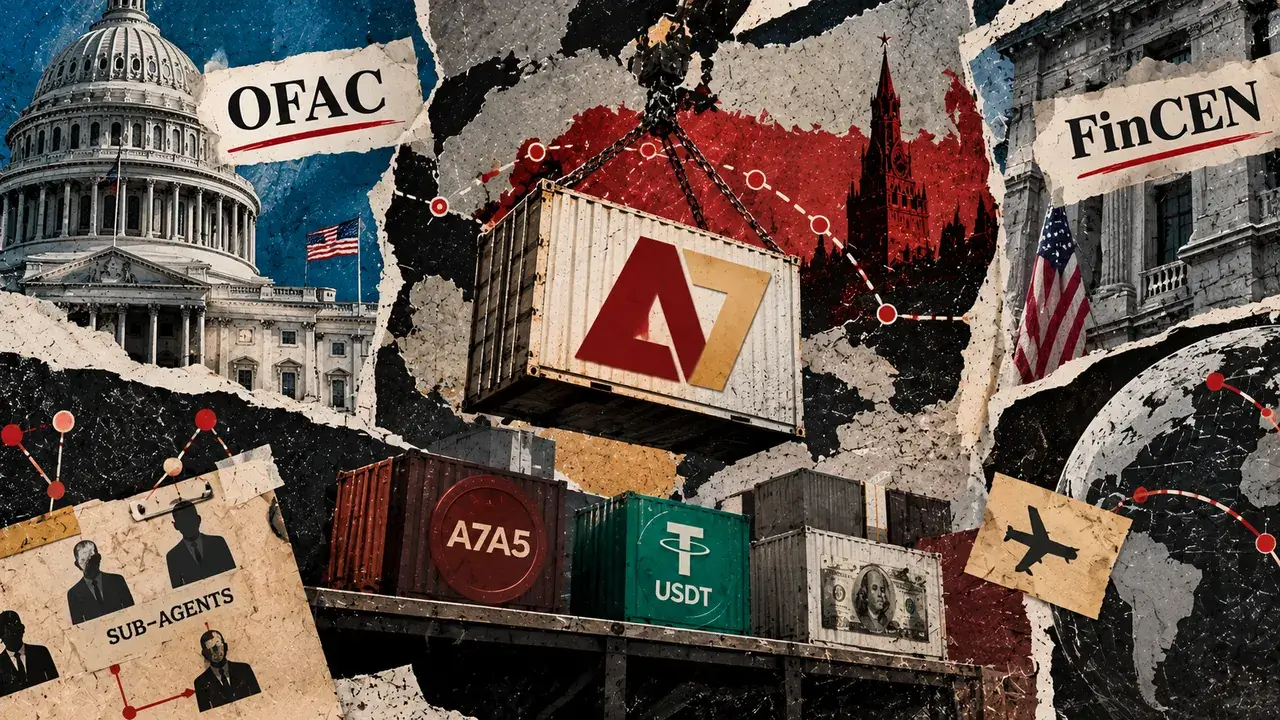
US targets $17 billion Russia-linked crypto payment network using USDT as an escape route
The U.S. has targeted a $17 billion Russia-linked cryptocurrency payment network, citing its use of Tether (USDT) as an escape route. OFAC expanded blocking sanctions to the broader network in October, while FinCEN's proposed sub-agent transfer restrictions remain pending. For more details, see the original post on CryptoSlate.
MarketsCrypto

Ions help electrons hop through porous material with potential for brain-inspired computing
Research has shown that electrons and ions can effectively move through porous materials, potentially advancing next-generation computing technologies towards brain-inspired designs. The study highlights progress in mimicking neural responses and communication, which could be a significant step forward in developing more efficient computational systems.
Science


Tracking researchers in Ukraine through war and armed conflict: The limits of free scholarly mobility
A study based on publication data tracks how researchers moved within Ukraine and across borders between 2009 and 2022, showing that conflict-affected regions lost scholars while others became important destinations. These shifts began after Russia's illegal annexation of Crimea in 2014 and the start of fighting in Donbas. The study highlights that scholarly mobility during conflict is not simply a matter of free choice.
Science

EU financial watchdogs warn quantum computing poses imminent threat to blockchain encryption
The European Union's financial regulators have issued a warning, highlighting an imminent threat posed by quantum computing to blockchain encryption, particularly affecting Bitcoin's handling of legacy addresses with publicly exposed keys. For more details, see the original report [link].
DeFiCrypto
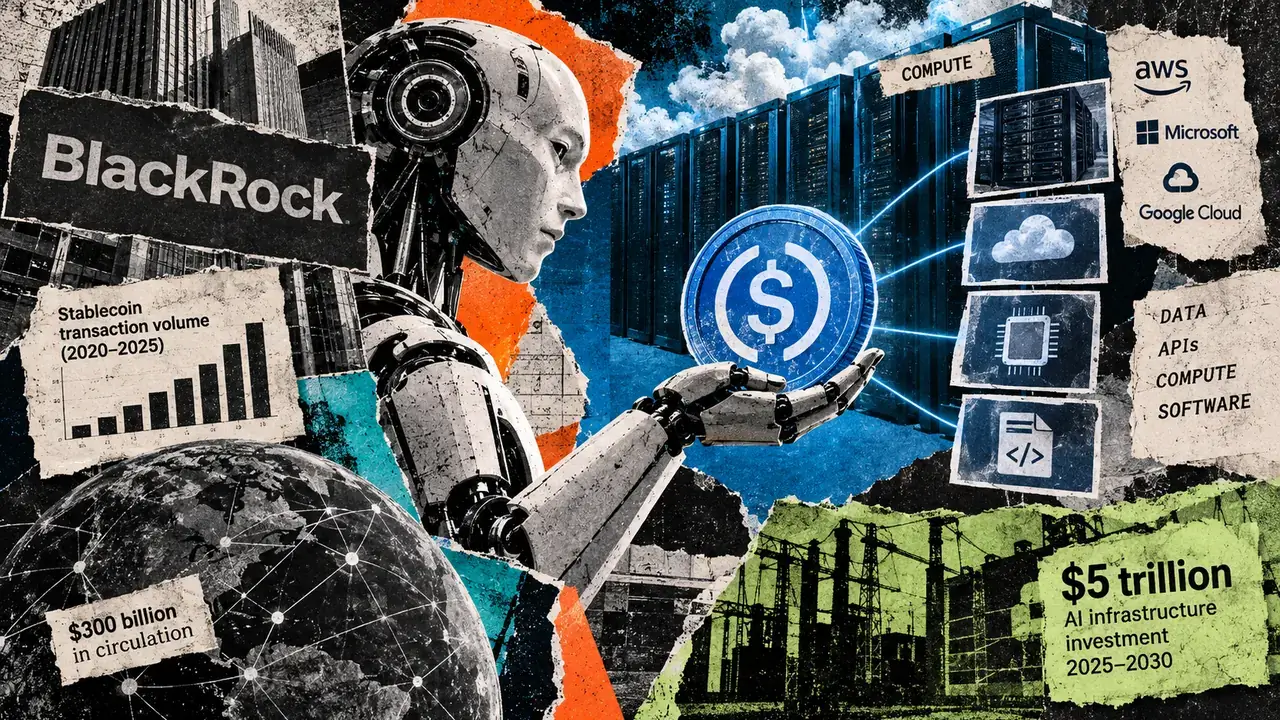
BlackRock sees a new $5 trillion AI trade emerging for stablecoins
BlackRock predicts that artificial intelligence (AI) could generate a new class of stablecoin users—autonomous systems that continuously make purchases without human approval, potentially adding up to $5 trillion in transaction demand for digital assets beyond traditional trading and payments. The world’s largest asset manager sees these AI systems purchasing data, accessing software, and acquiring computing resources independently. For more details, read the full post on CryptoSlate.
TechCrypto

Black Sea Impasse Adds to Global Economic Damage
Following an escalation in Russia’s war with Ukraine this summer, a deadlock in the Black Sea is exacerbating economic damage from the conflict in the Middle East by potentially driving inflation higher. The Black Sea serves as a critical route for global crop shipments to populous nations, connecting Europe and Asia. According to Bloomberg's Pyotr Kozlov, this impasse threatens to worsen the economic impact of the ongoing war.
CultureMarkets