Federal Proposals and Legal Challenges Shape Stablecoin and Prediction Market Landscape
The Federal Reserve's latest proposals for stablecoins and bank approval rules, along with ongoing legal challenges for prediction market platforms, highlight the evolving regulatory landscape in financial technology.
Opened after 5 independent outlets converged within two days. 20 VictoriaPark stories collected. · Briefed by qwen2.5:7b
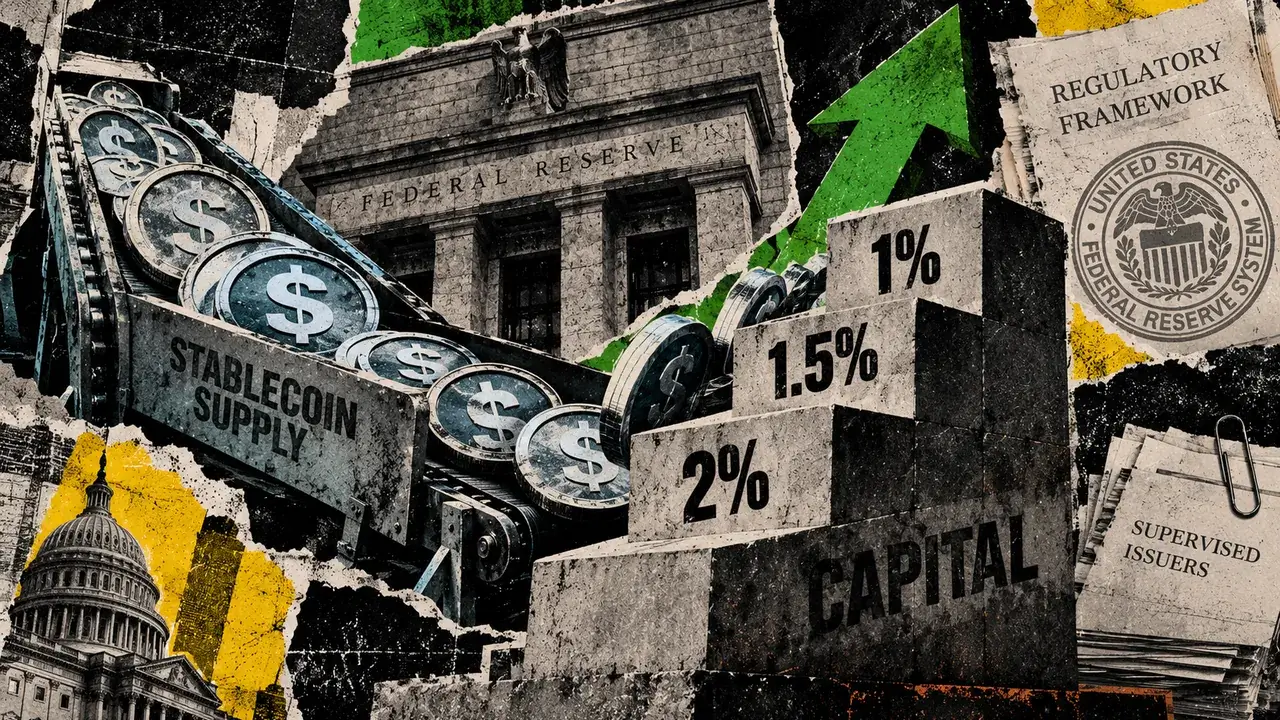
The Federal Reserve has proposed rules requiring stablecoin issuers to allow redemption within two business days and setting a 120-day timeline for bank applications under the GENIUS Act. For more details, see the full announcement [here](#).
The Federal Reserve's proposed framework for stablecoins would classify the circulation of certain supervised issuers as a capital cost, with an operating-risk baseline set at $20 million before adjustments. At present, a stablecoin issuer with $1 billion in outstanding value and no non-reserve revenue faces a baseline of $20 million. For more details, see the original post on CryptoSlate.
On Friday, a federal appeals court ruled that Kalshi has not sufficiently demonstrated its sports event contracts qualify as swaps under the Commodity Exchange Act. This decision upholds lower court rulings and widens the circuit split regarding the legality of such betting operations in Ohio and Tennessee.
The Federal Reserve has proposed rules for payment stablecoins that include a crisis clock measured in hours. According to these rules, an issuer whose reserves fall below the value of its outstanding tokens would have 24 hours to notify the Fed and submit a plan to restore full backing. Failure to do so or close the gap could result in liquidation within 48 hours. The details are available on CryptoSlate.
On September 25, the Sixth Circuit ruled that Ohio and Tennessee can apply their gambling laws to Kalshi's sports contracts. The court rejected Kalshi's argument about complying state by state conflicting with its federal duties. As a result, Kalshi must implement geofencing or other methods to lock out users from these states. The post was first published on CryptoSlate.
Summer Mersinger, a former CFTC commissioner, is set to leave the Blockchain Association following the failure of the CLARITY vote. Mersinger joined the organization in 2025 after resigning from her second term at the federal commodities regulator.
US federal prosecutors are seeking $84.2 million from a Montana-based payments firm and a Caribbean bank accused of operating without a financial license. The case involves alleged money-moving activities by the firms, which have been linked to Tether, a cryptocurrency stablecoin. For more details, see the original report [link].
Another appeals court has ruled against Kalshi, a prediction market provider, stating that sports-related contracts are subject to state regulations rather than federal oversight. The Sixth Circuit Court of Appeals made this decision, affirming that such contracts are not considered swaps under federal law.
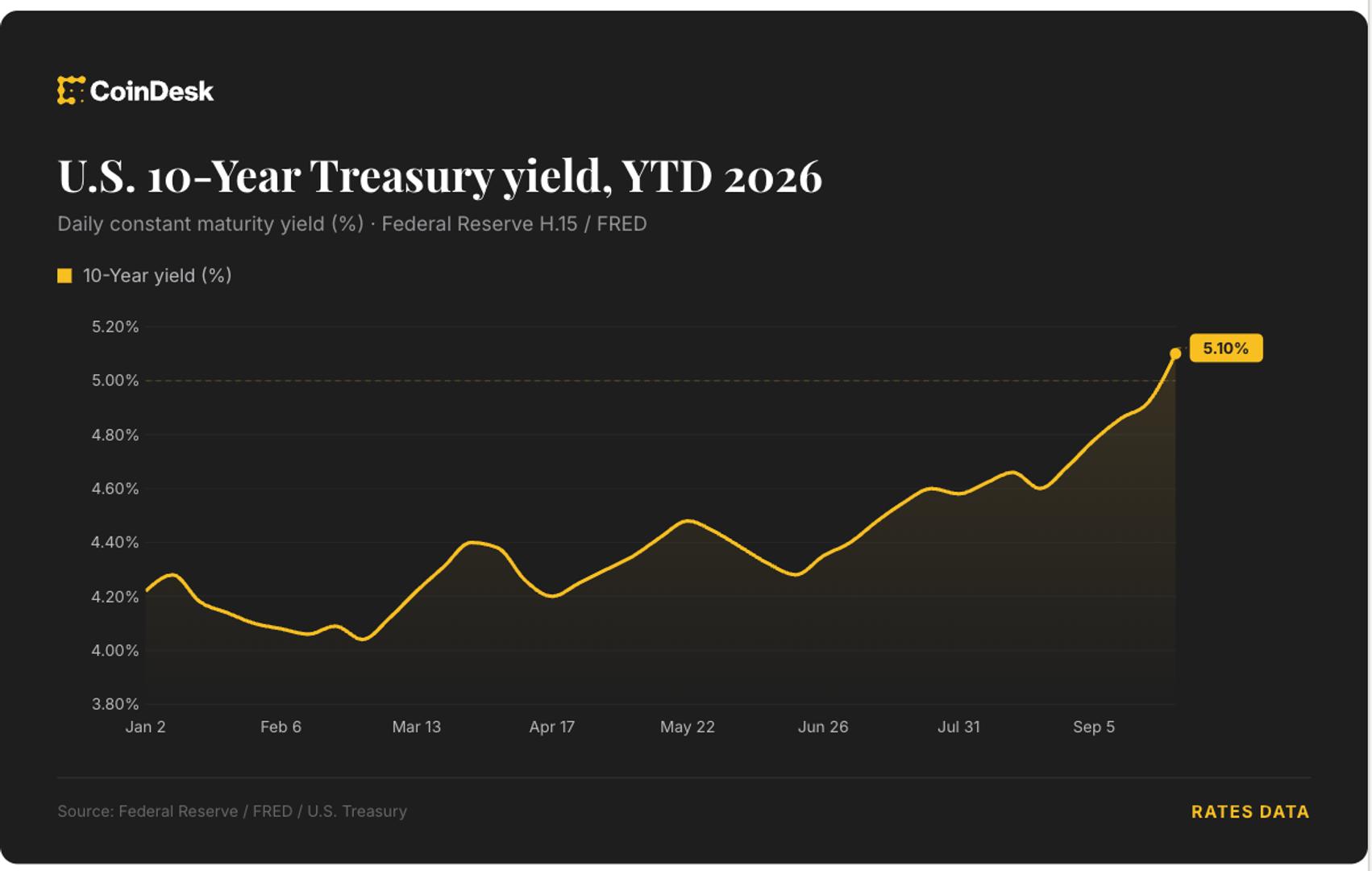
Traders are pricing in four Federal Reserve rate hikes by June 2027 as Bitcoin slides below $83,000. The hike path is seen as the most likely outcome amid rising bond yields and a stronger dollar affecting cryptocurrencies and precious metals like gold.
Major news outlets CNN, MSNBC, and Politico have filed a lawsuit against President Trump, seeking a federal judge's intervention to prevent what they claim is a constitutional rights violation due to the president's ban on their coverage of him. The case aims to challenge the legality of the bans.
Bitcoin has surged as stock markets, particularly the Nasdaq, hit new highs, driven by lower oil prices and a Federal Reserve that raised interest rates while subtly increasing liquidity in the market. The strong performance of Bitcoin aligns with broader market trends.
Jim Bianco of Bianco Research discusses macroeconomic outlook, the Fourth Turning theory, and Bitcoin adoption in a post for Bitcoin Magazine. He notes that the Federal Reserve raised interest rates for the first time in over three years, citing bond market signals suggesting this was necessary for two years.
The U.S. federal government is investigating Binance over reports that the cryptocurrency exchange facilitated transactions involving Iran's use of Bitcoin, according to a report from Bitcoin Magazine. The investigation aims to determine if Binance violated U.S. sanctions against Iran. For more details, see the original article on Bitcoin Magazine.
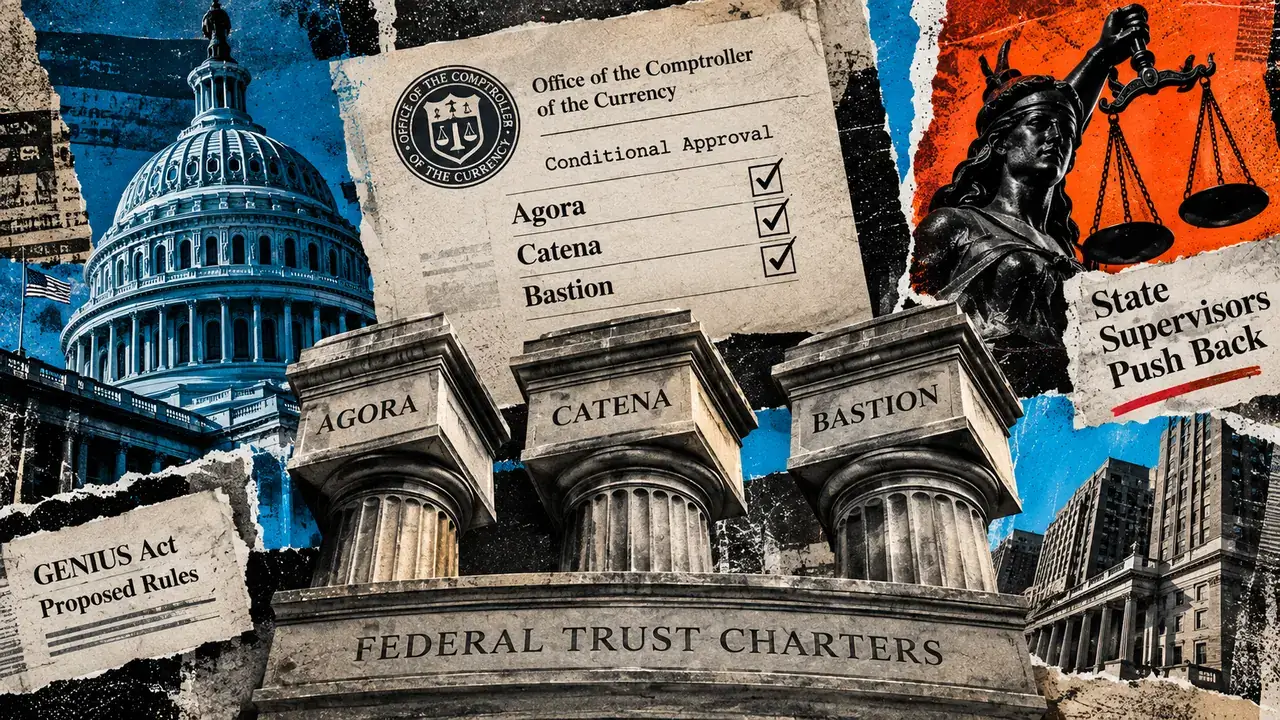
Agora, Catena, and Bastion still face final approval or conversion hurdles, with distribution and liquidity expected to determine their competitive edge. The article 'Why newly granted federal approval won’t save these 3 crypto banks' was first published on CryptoSlate.
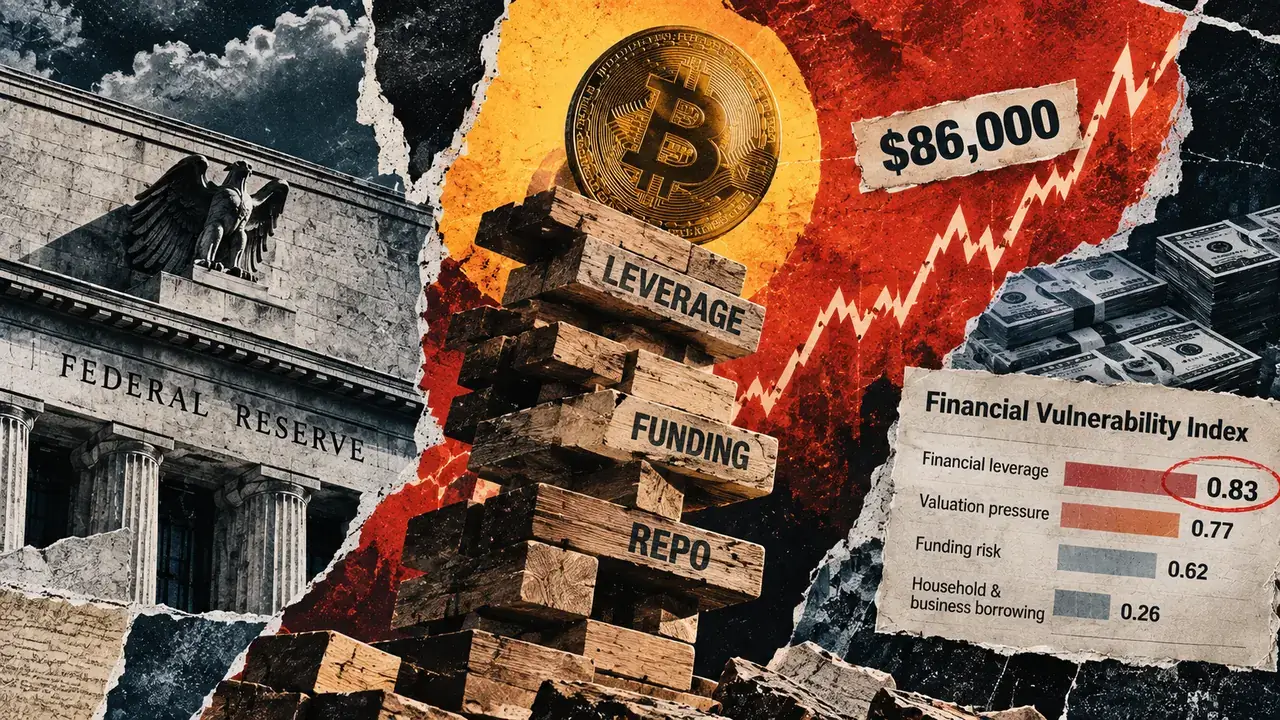
According to new Federal Reserve data, Bitcoin's rally poses funding risks that can amplify shocks, potentially leading to instability despite strong spot demand. For more details, read the original post on CryptoSlate.
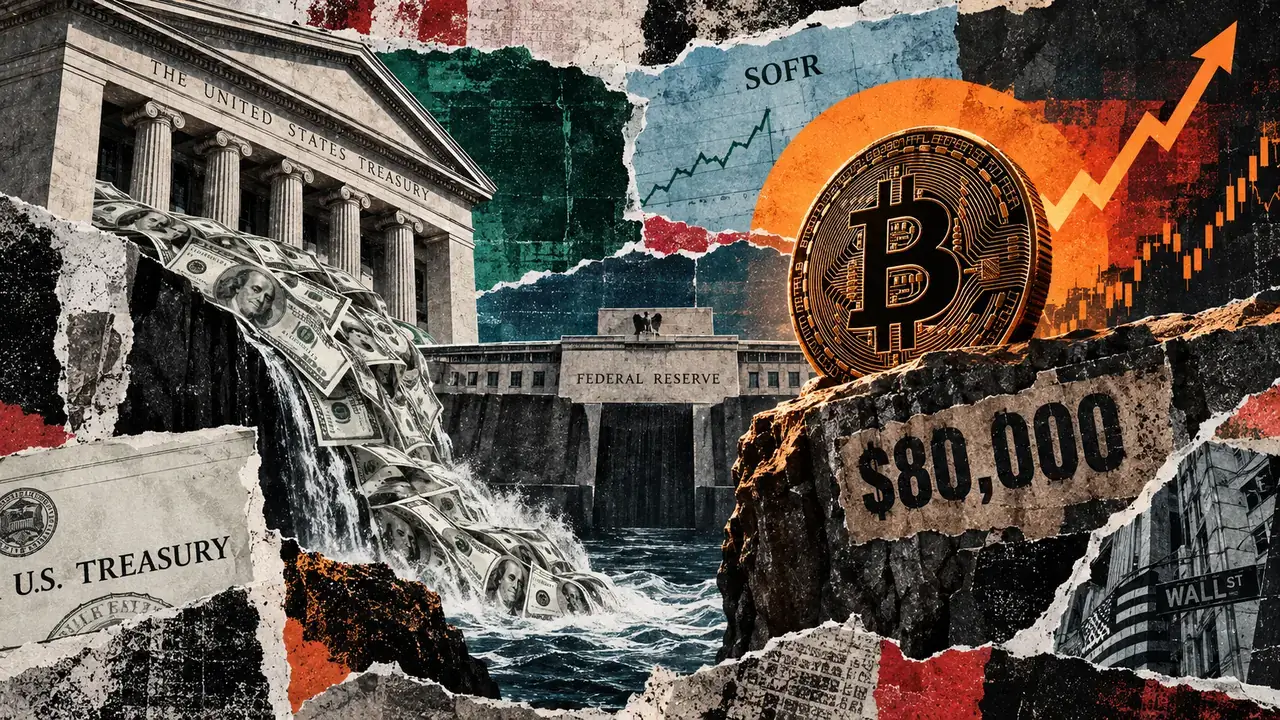
Bitcoin broke through the $80,000 level as Federal Reserve data indicated a significant tax-date transfer, but SOFR remained 5 basis points below the new reserve rate. Despite a $148 billion liquidity shock in the US market, it failed to impact broader financial markets. For more details, read the full article on CryptoSlate.
The Federal Aviation Administration (FAA) is set to deploy an $875 million AI-powered software program called SMART (Strategic Management of Airspace, Routes, and Trajectories) to address its ongoing air traffic controller shortage, as reported by The Wall Street Journal. This cloud-based platform aims to enhance air traffic management.